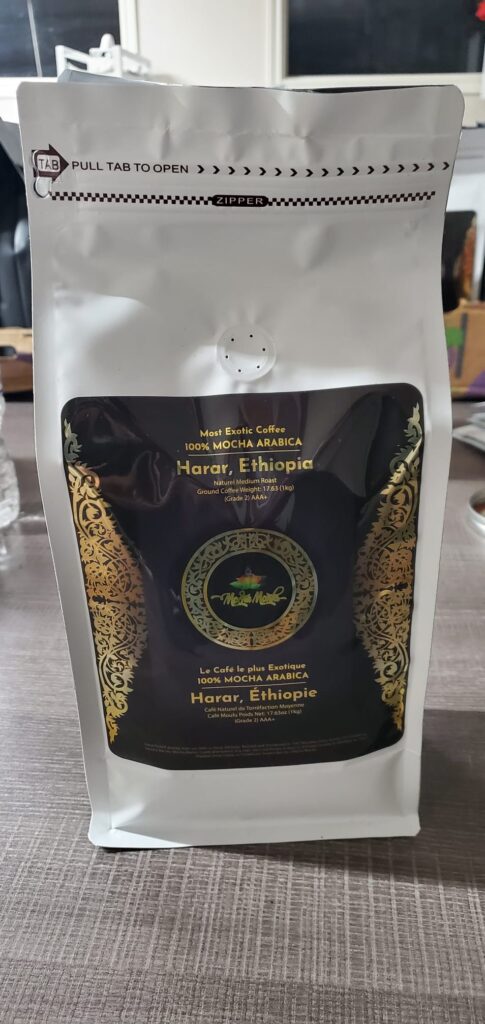
Ethiopia the landlocked country in the Horn of Africa

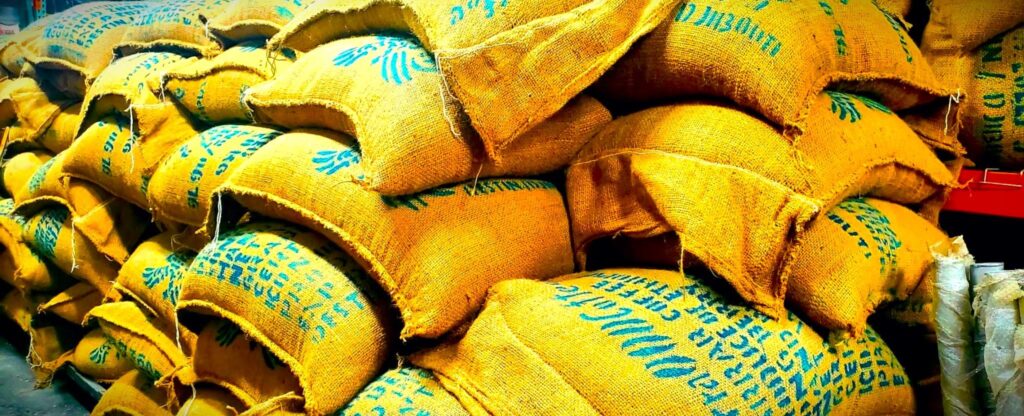
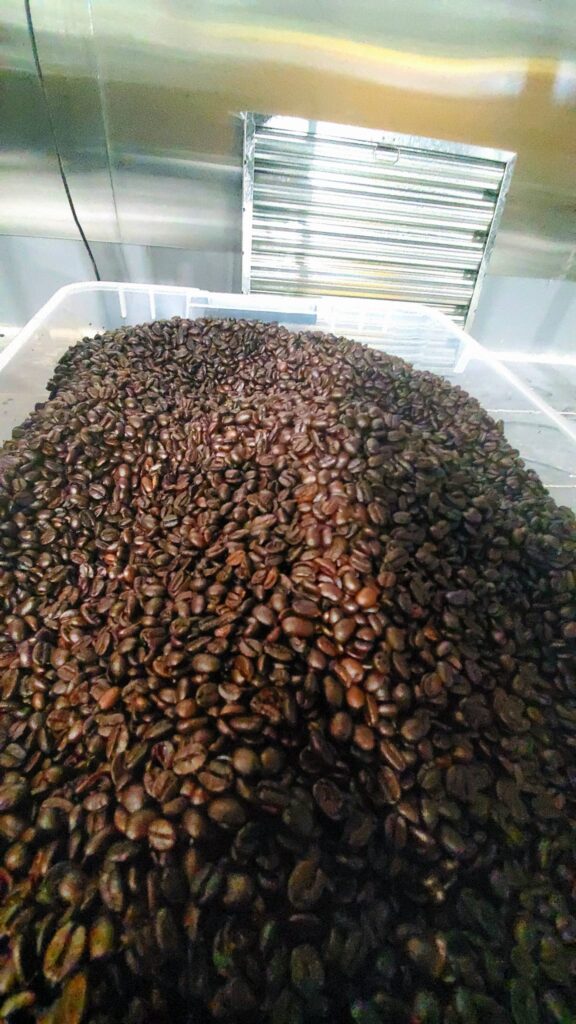
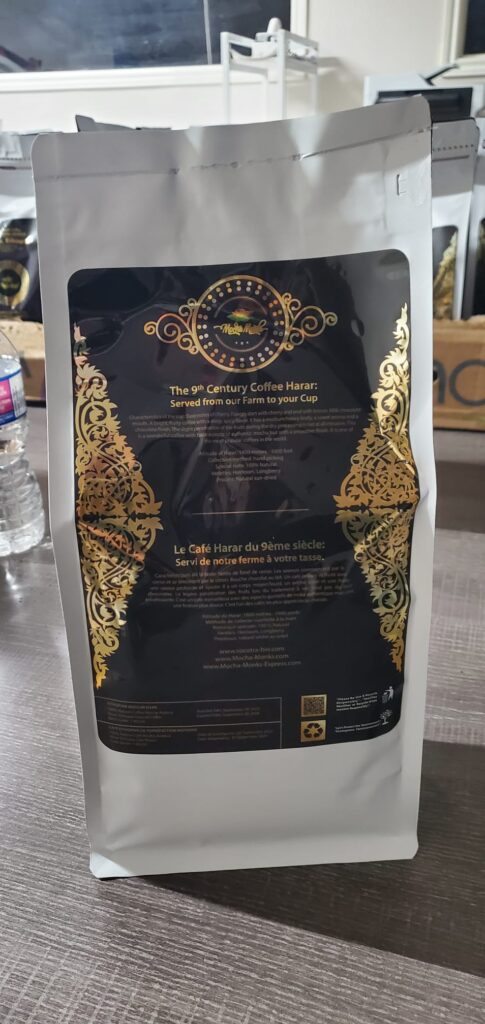
Beautiful Ethiopia is the largest coffee producer in Africa. More than two million smallholder families grow coffee as the basis of their income. Ethiopian coffee is mainly grown under the shade of trees (shade or forest coffee), either within forest or forest-like environments, or in farming systems that incorporate specific shade plants – usually indigenous (native) trees, or sometimes fruit trees and other crop plants. Coffee plants grow mainly in the south-western part of the country, and the most famous regions are: Yirgacheffe, Sidamo, Kaffa, Harrar, Djimmah or Limu. The only coffee species grown in Ethiopia is Arabica. Compared to other origins, Ethiopian coffee beans give off bright fruited and floral flavors due to the processing method. Wet-processed or washed coffees result in beans characterized by their complex and bright notes, creating a clean-tasting final cup.

Due to the altitude, Ethiopian coffees are grown slower, allowing for more nutrients to be delivered to the coffee beans. This increase in nutrients makes the coffee denser and more flavorful. Coffee fruits should be harvested as and when they become ripe. Depending on the variety, it will take approximately 3 to 4 years for newly planted coffee trees to bear fruit. The fruit, called the coffee cherry, turns a bright, deep red when it is ripe and ready to be harvested. Coffee is ripe when on gently squeezing the fruits the beans inside come out easily. Coffee trees yield an average of 2 to 4 kilos of cherries and a good picker can harvest 45 to 90 kilos of coffee cherry per day; this will produce nine to 18 kilos of coffee beans. Typically, there is only one harvest per year, which will last for 2 to 3 months as cherries ripen. Harvest starts during November and harvesting extends up to February. While coffee plants can live up to 100 years, they are generally the most productive between the ages of 7 and 20. Proper care can maintain and even increase their output over the years, depending on the variety. The average coffee tree produces 10 pounds of coffee cherries per year, or 2 pounds of green beans.

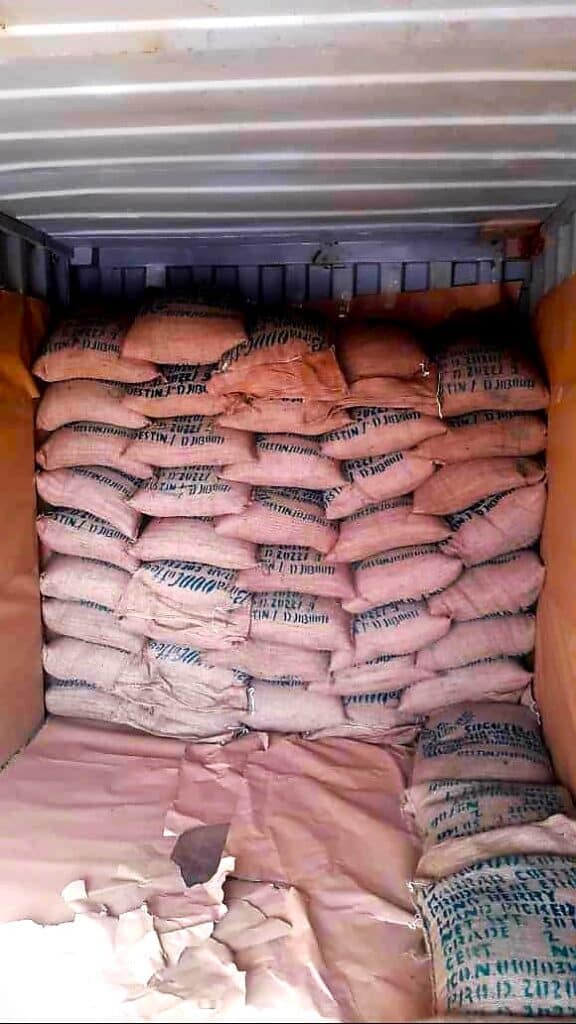
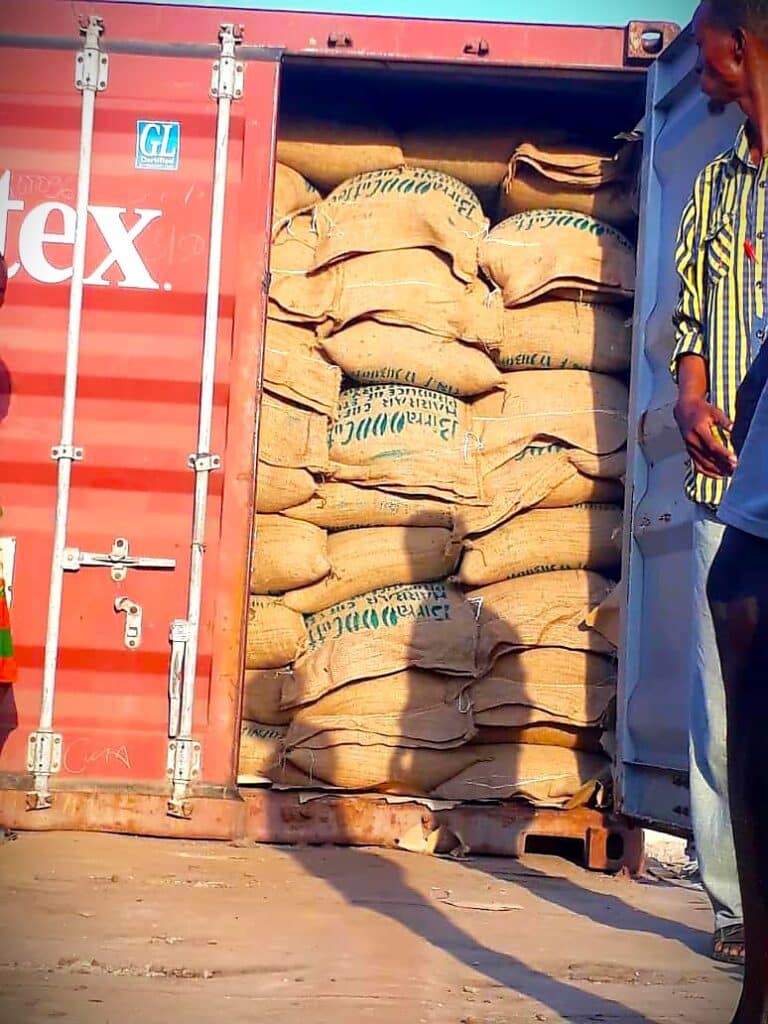
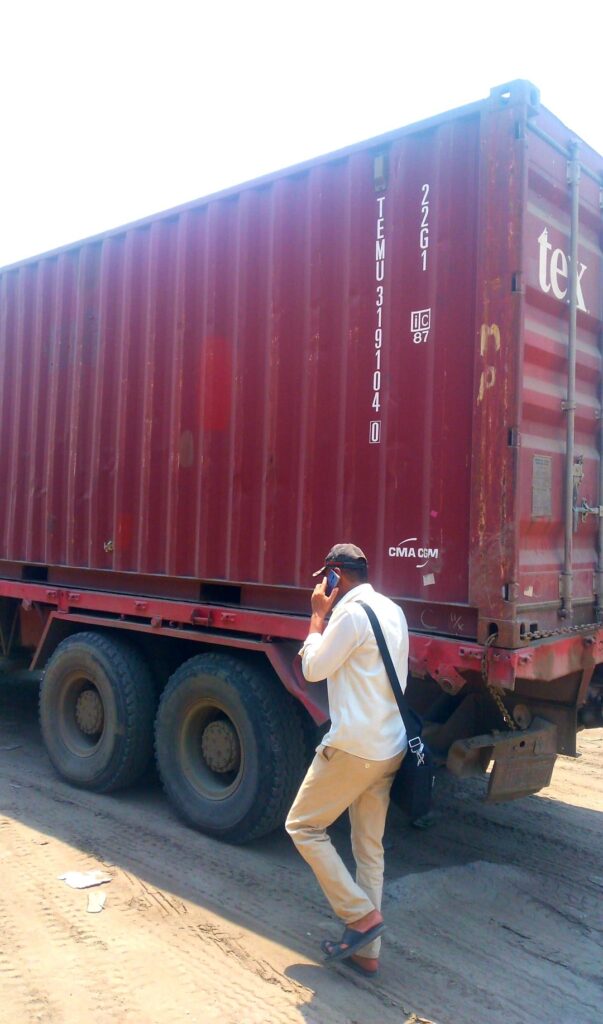
Socotra loading in Ethiopia

On the other hand, we export our Ethiopian coffee using land transportation to deliver our product to the market; some of our buyers have a permanent contract, and some select the market through the connection. An annual coffee production in the country is 500,000-700,000 tones and an average national productivity is 7 quintal per hectare. Coffee exports play an important role in Ethiopia’s economy. Around 40% of foreign income comes from coffee. We have the best logistic services in both countries Ethiopia and Djibouti
What is the most important factor to consider while loading containers?
The most important factors to consider when loading containers are weight distribution and ease of loading and unloading. Socotra’s Best Practices for Loading and Unloading Heavy Cargo ensures that the loading area has good lighting at all times; to ensure the loading area is away from both vehicles and pedestrians; and to ensure that the loading area is firm, flat, clean, and free from potholes and other obstructions that may cause slips or trips.

What is Socotra’s first and most important responsibility in shipping?

It is our responsibility to supply all of the data, permits, packaging, etc. and ensure that everything is in compliance with the rules of both the origin and destination ports as well. Our staff are well paid, they work hard, and we always ensure their safety. We also make sure all their benefits and medical bills are paid, and we pay them VERY well – almost 10 times what other shippers pay their staff

Bilateral relations

Canada established diplomatic relations with Djibouti in 1978 following its independence from France in 1977. The Embassy of Canada to Ethiopia, located in Addis Ababa, is responsible for relations with Djibouti. Canada also has an Honorary Consul in Djibouti City. The Permanent Mission of the Republic of Djibouti to the United Nations, in New York, is responsible for Djibouti’s relations with Canada. Djibouti is the seat for the Secretariat of the Inter-Governmental Authority on Development (IGAD), the regional development, peace and security forum. Both Montréal and Ottawa are home to organized Djiboutian diaspora communities, and there is an active community of returned Djibouti-Canadians in Djibouti.

Trade relations

In 2021, the value of two-way merchandise trade totalled $5.3 million, consisting of $4.9 million in exports to, and $407,000 in imports from, Djibouti. Top Canadian merchandise exports to Djibouti included machinery and parts; airplanes, helicopters and parts; vehicles and parts; and electric machinery and parts. Top Canadian merchandise imports from Djibouti comprised mainly coffee, milling products, electric equipment and parts.

How are goods transported from Ethiopia to Djibouti?

As a landlocked country, Ethiopia primarily uses the port of Djibouti as a gateway for the vast majority of its internationally traded goods (through which flows 90% to 95% of its trade), with most of the goods essentially transported to and from the port by trucks. Djibouti port is a world class, deep-water port on the world’s busiest shipping lane

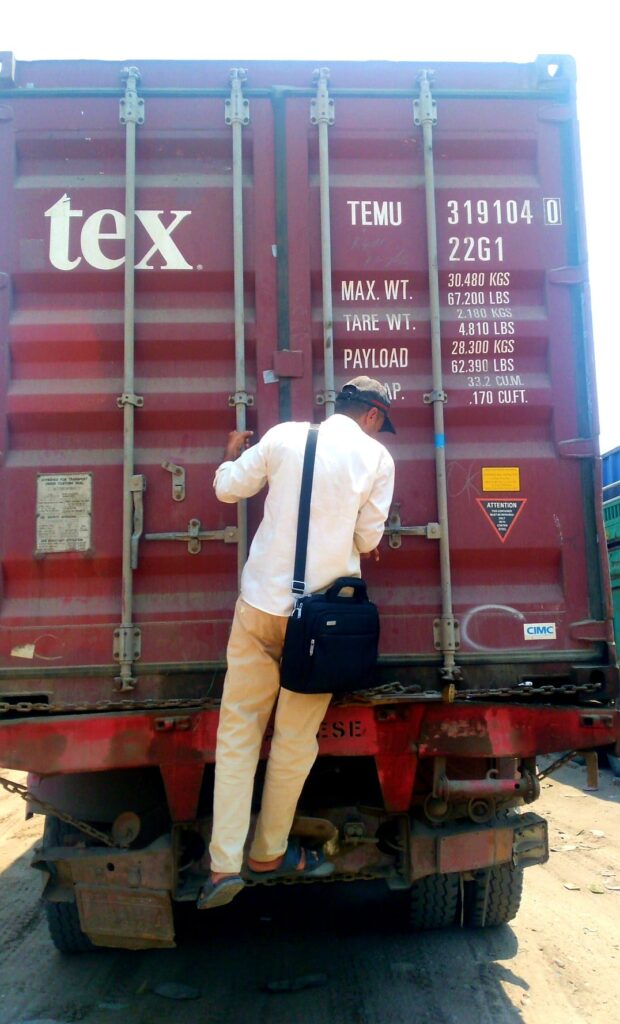
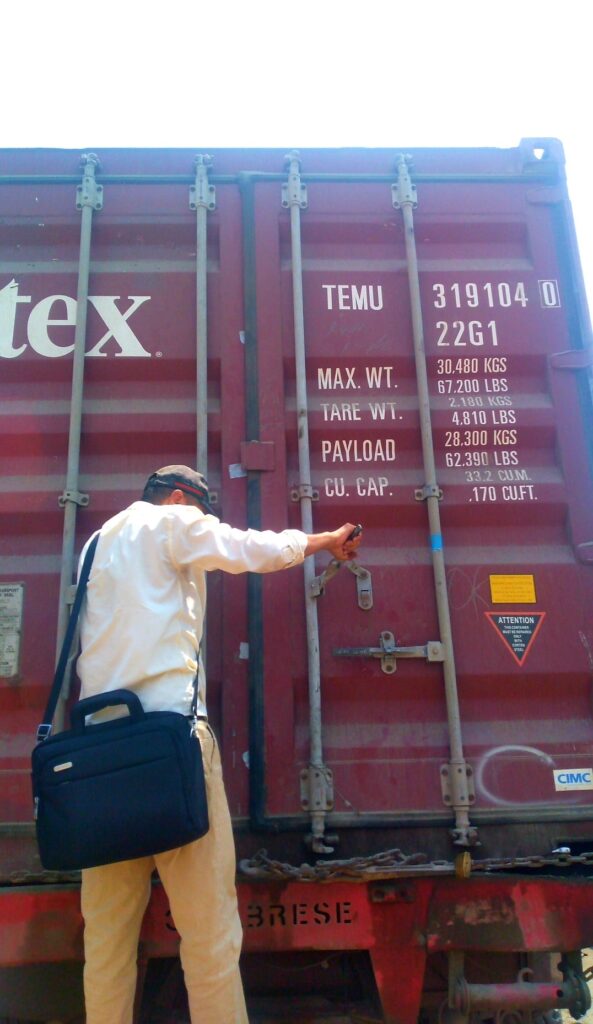
There are many gangs that target containers moving to shipping yards for export, and steal goods worth millions of dollars every year from those containers using a unique modus operandi. Socotra Bio Inc. hired special protection teams comprising of armed private guards along with Security and Police/Army guards in several accompanying vehicles, driving all the way from Addis Abeba, Harar to Dire Dawa, Ethiopia, driving along Ali Sabieh, Oueah until we got to the Port of Djibouti – that’s how serious we protect our merchandise. And we do it by ourselves, with government help from both sides – Ethiopia and Djibouti. Nobody else has been able to do this, and this is why our shipments from Ethiopia are 100% guaranteed to arrive

Socotra Bio Inc. also has the same arrangements in Yemen, from Haraz to Aden or from Sana’a to Hodeida – we have many ways and lines for protection. This is why Socotra Bio Inc. works differently than many other traders that themselves depend on brokers or agencies – we have no middlemen, and we control everything from farm to destination. Similarly, in Indonesia, China, South Korea, Kenya, including Turkey we use the same SOP (Standard Operation Procedure) when moving goods from Izmir, Istanbul, Ankara, and Adiyaman to any of the ports of Haydarpasa, Ambarlı, Izmir and Mersin.

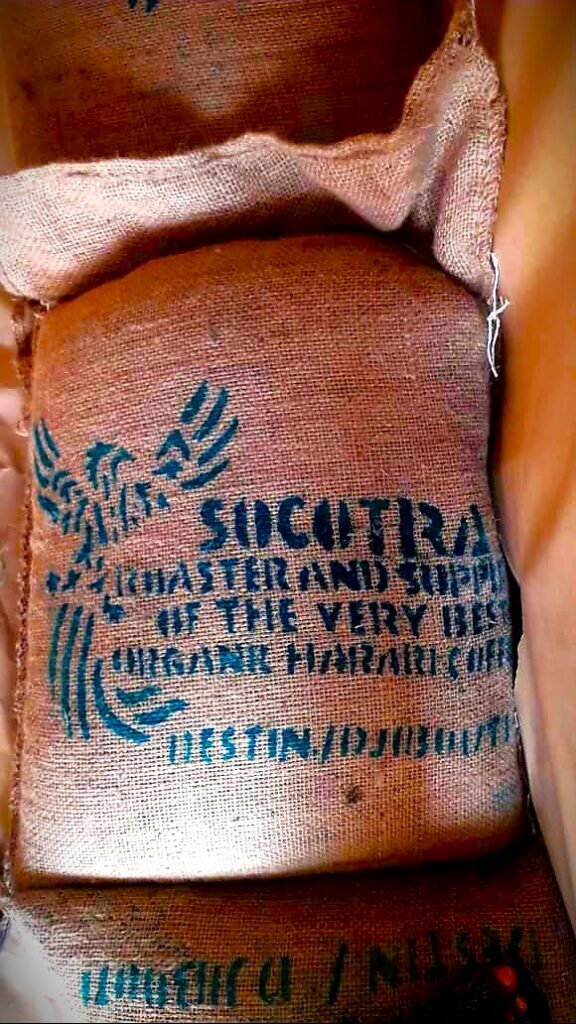
SOCOTRA’S CRAZY WATCHDOG IN ETHIOPIA, DJIBOUTI, YEMEN

Socotra Bio Inc. watchdog are a combination of many groups that monitors the activities of gangs that target containers and to ensure that entity does not behave illegally or unethically: Socotra Bio Inc. watchdog protection organizations are the most trained group in East Africa and Yemen, this organisation is built and managed by Socotra Bio Inc. Our Watchdog involves creating a plan, monitoring its progress, and making changes based on results and feedback so Socotra Bio Inc. can improve its performance and protect costumers good and products.