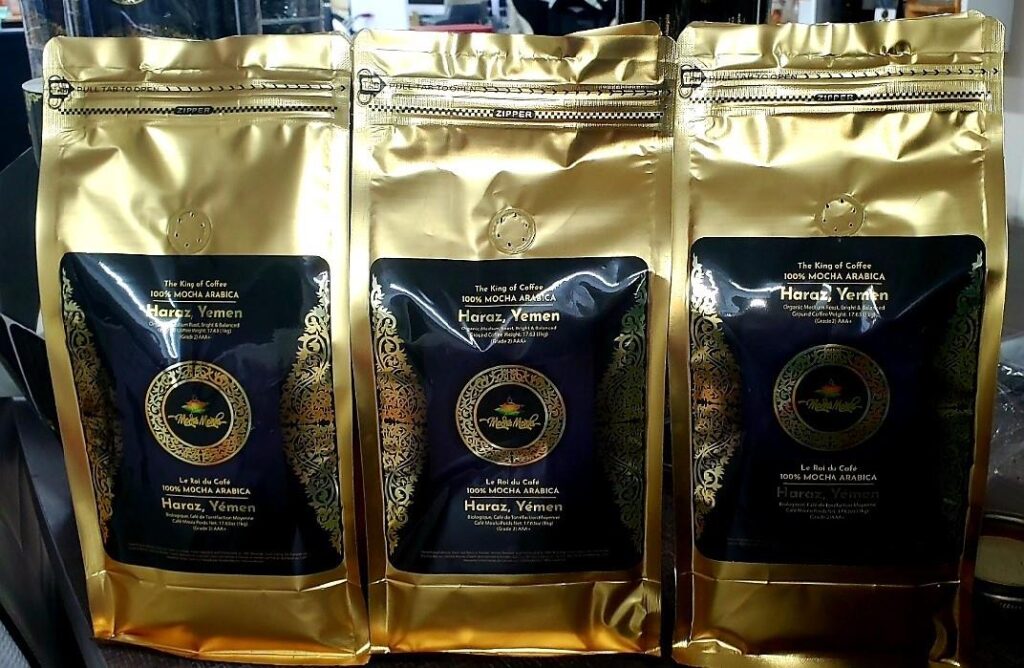
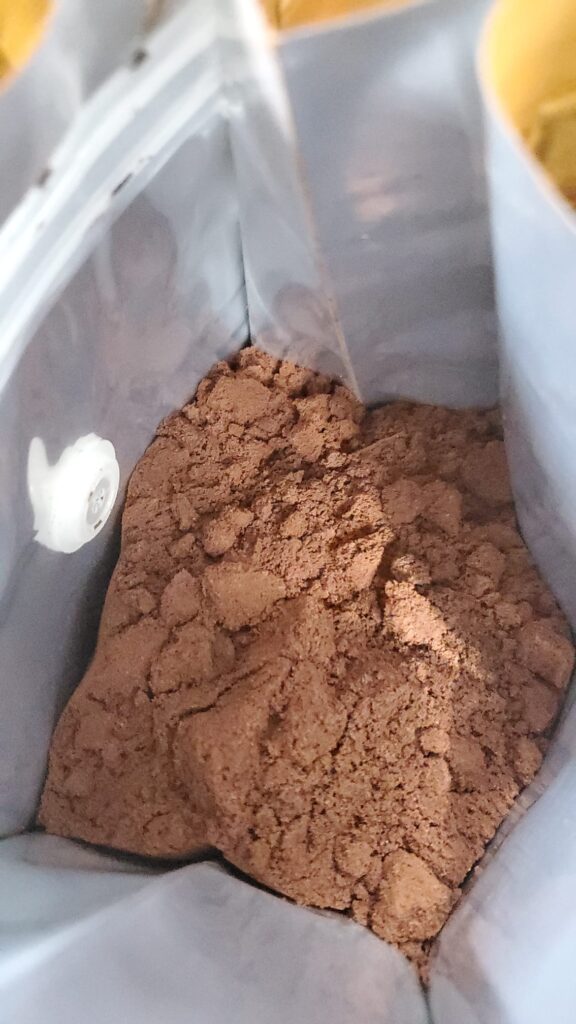
YEMEN – BIRTHPLACE OF OUR HEART AND SOUL
What mineral resources is Yemen rich in?
Yemen has reserves of oil, gas, cobalt, copper, gold, iron ore, nickel, and zinc, and industrial minerals such as limestone
and gypsum. Most of the country’s mineral production is focused on the production of oil, gas, and limestone for cement
plants.
Agriculture
Yemeni coffee is known as the best coffee in the world. There is a delicate process of development that goes into
growing their coffee beans which contributes to its fine distinction. Yemeni coffee has a distinct flavor and aroma. It’s
complex earthiness often holds tones of dried fruit, partly due to being dried with the fruit husk still on the bean. This
Arabian Yemeni coffee also carries notes of chocolate, cinnamon, cardamom or tobacco.
Coffee production in Yemen is approximately only about 30,000 tonnes per year, which is one of the reasons why it is so difficult to get. Yemeni coffee is of superb quality due to its use of traditional, natural farming techniques that date back over 500 years. Premium Yemen coffee beans are considered by many to be among the best and the rarest on the global market. Socotra Bio Inc. has the capacity and capability to supply 5 containers or 100 metric tons of Yemeni coffee from our own farms outside Mokha port per month. Additionally, we can supply another 5 containers / 100 metric tons from neighbouring farmers in nearby Yemeni areas, to a total of 10 containers or 200 metric tons per month.
HARD TO GROW, WATER SCARCITY, AND LOSS AND DEBT OF FARMERS
Yemen’s coffee farmers still practice traditional natural methods—sometimes at very high altitudes up to 2,500 m—that result
in low production yields and very distinctive flavors. Some of Yemen’s coffees are prized around the world and receive among
the highest prices in the global coffee marketplace. Despite the high market price however, most coffee farmers are poor. Low
productivity is exacerbated by chronic water shortage that, along with inadequate post-harvest methods, contributes to low
quality in many areas and subsequent high levels of lost value. Socotra Bio Inc. understands first hand how Yemen is suffering
from lack of water, and especially its farmers, because we own our own farms there. Water scarcity is particularly hard-felt
throughout Yemen where millions of people living in rural areas are heavily dependent on local agriculture. Farmers are often
forced to travel far distances to fetch water to keep their crops alive, while women and children make long treks in search of
clean drinking water. Socotra Bio Inc. has invested into solar water pump system to help both our farms and neighbouring
farmers as well. We strive to help as much as possible by investing in and giving charity to help the country.
Farming in Yemen is not easy. Very few crops have an export value. Coffee, however, is quite unique and cannot only provide valuable income but also serve as a considerable and respected “ambassador” for the nation’s reputation worldwide. Coffee is one of Yemen’s most important agricultural commodities. Most of Yemen’s nearly 100,000 coffee farming families have small coffee plots and live in mountainous regions. Many other farmers who had borrowed money to expand during the boom that preceded the civil war there couldn’t pay their debts. As farms became less valuable, land prices fell, too, and farms were often worth less than their owners owed to the bank. Farmers across the country lost their farms as banks foreclosed on mortgages. Farming communities suffered as a result, too. Surviving Yemeni farmers desperately need help to boost and expand the water systems their crops depend on and Socotra Bio Inc. is doing all it can to bring more sellers and buyers to the table so we can help these other farmers in Yemen
HOW LONG DOES SOCOTRA COFFEE CHERRY TAKE TO GROW?
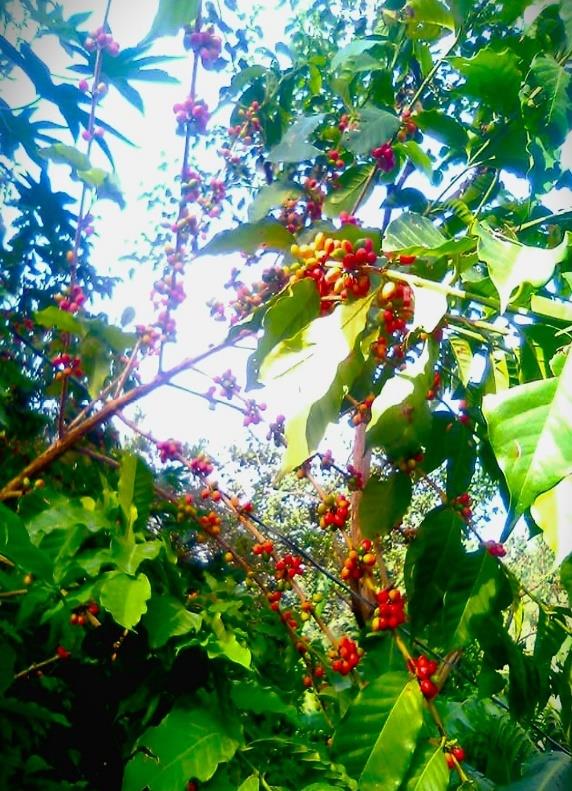
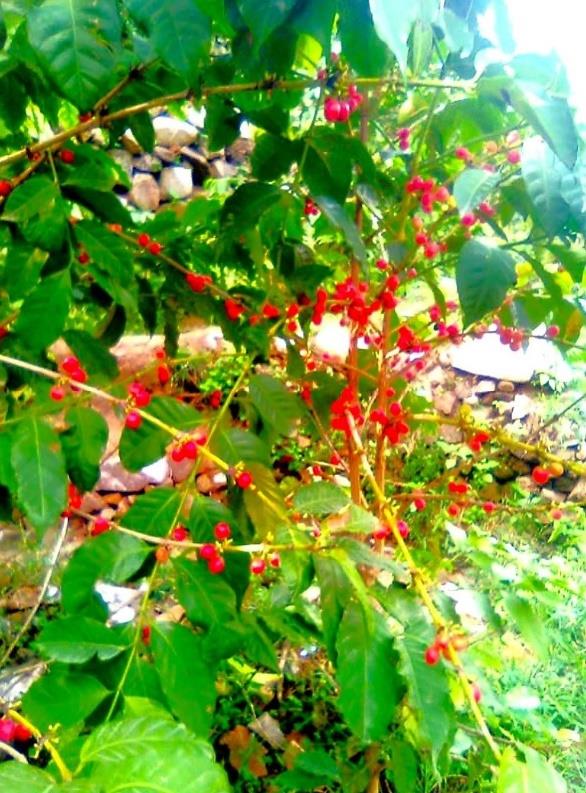
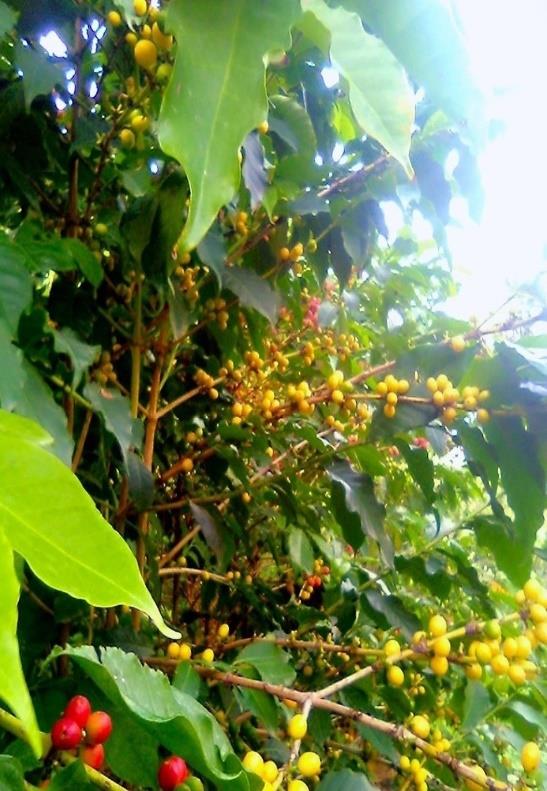
Coffee plants fruit from about year three onwards and can live to be 60-plus. They flower prolifically and headily after spring
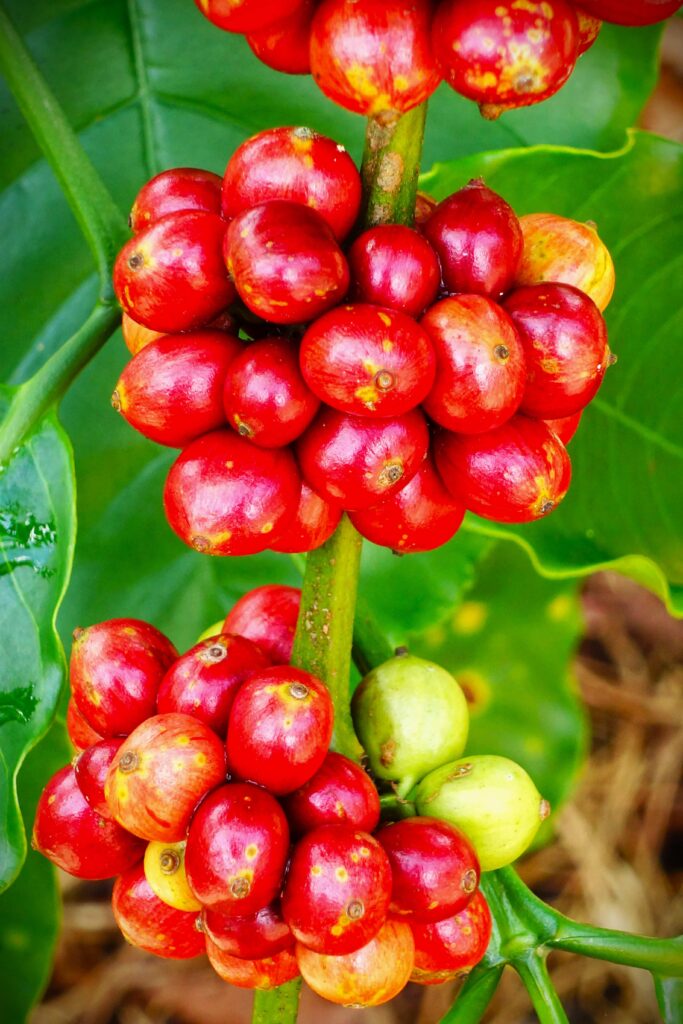
rain. Flowers drop off after a few days, leaving small green ‘cherries’ that mature over the ensuing nine to 10 months until they
are crimson, or purple, and ripe. Socotra Bio Inc. coffee tree progressed from flowering to producing ripe cherries ready to
harvest. We appreciate our employees in Yemen to take good care and maintaining a healthy and fruitful result from our trees.
SOCOTRA TERRACE-SUN-DRIED, SINCE 1300s
Yemen coffee is still grown much as it has been for centuries, in high narrow valleys or on small stone-terraced plots
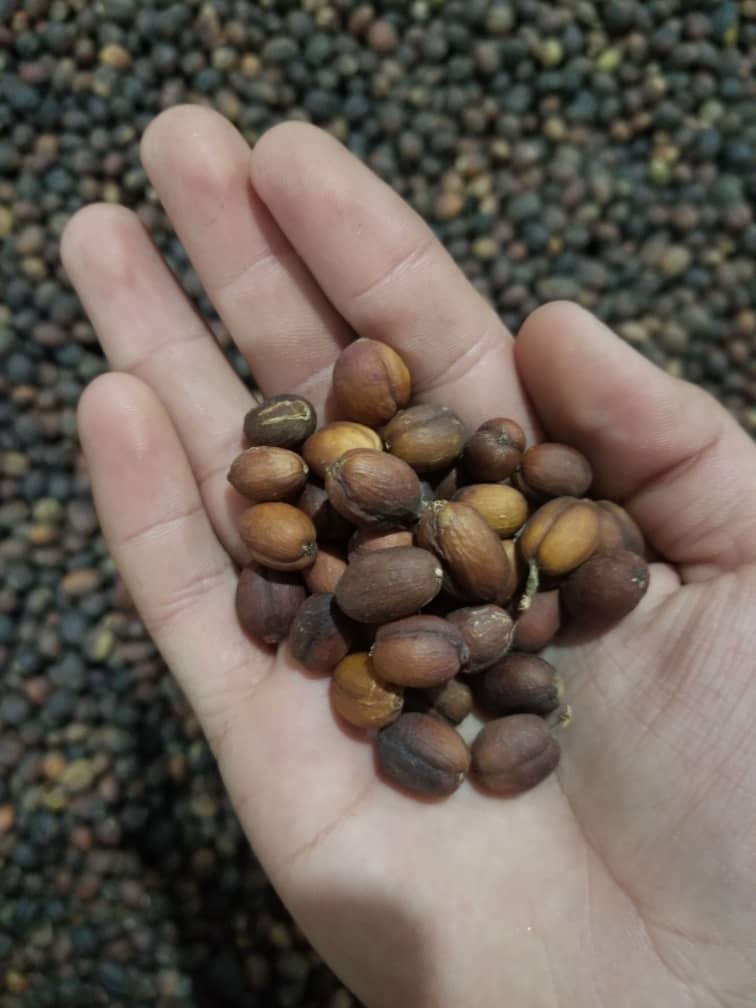
that are carved into semi-arid mountainsides. The processing of the beans also remains the same: these natural coffee
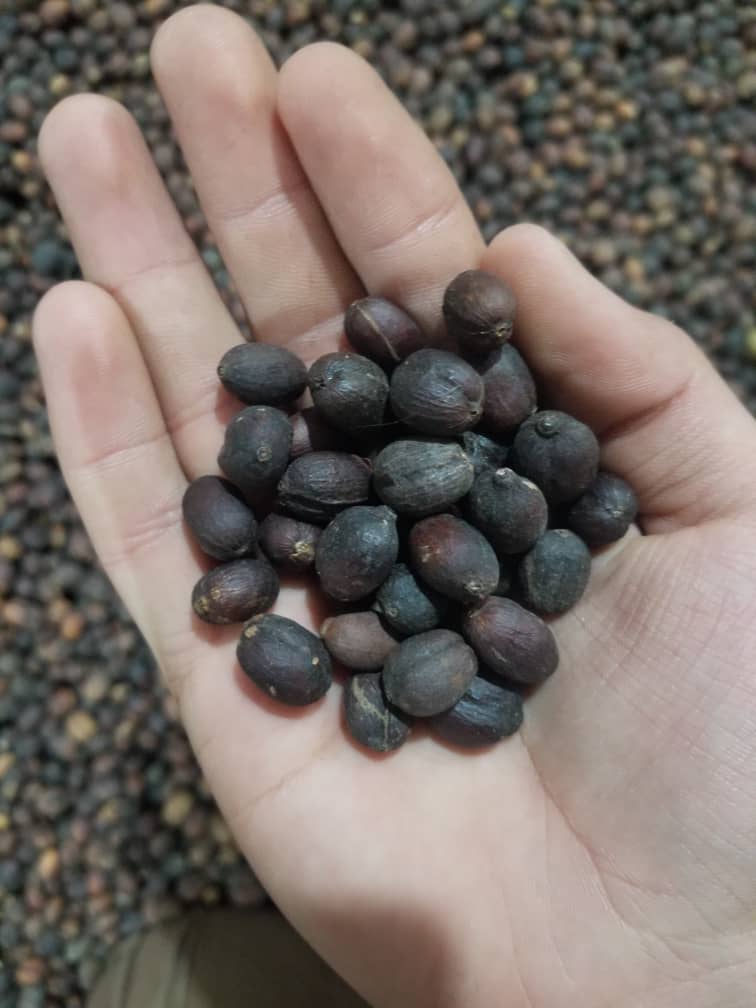
cherries are sun dried and the dried husks are later removed by millstone. The beans are small, quite irregular and
the level of breakage is high. In the accompanying pictures you can see the cherries been collected directly from our
farm terraces then to drying then to packaging and loading, all by hand
HAND SORTING OUR BEANS SINCE 1300s
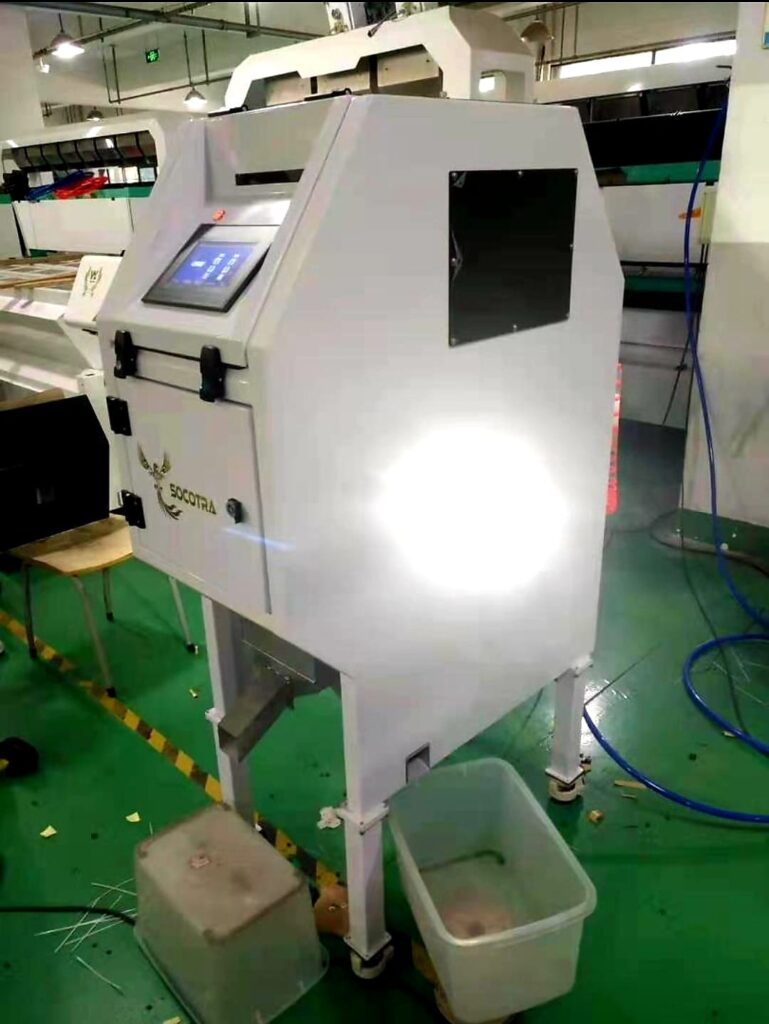
SORTING OUR BEANS BY MACHINE FOR TRIAL 2022
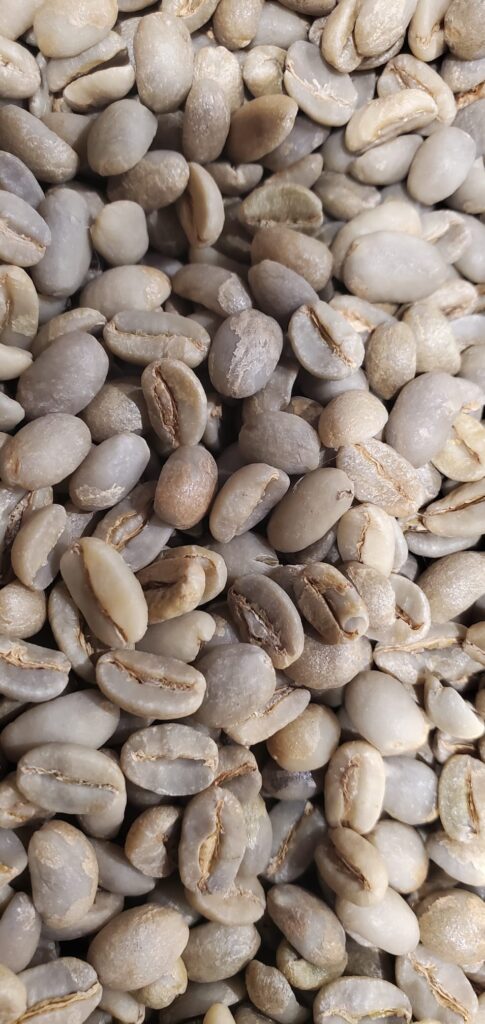
Our coffee has already been sorted many times by the time it reaches the barista’s hands. sorting makes the coffee
taste cleaner and more vibrant. Unsorted coffees are less consistent and usually a bit more muted, with occasional
harsh, burnt flavours because of inconsistencies in the quality and sizes of the beans.
There are 3 steps in sorting coffee beans by density: First, separate the stones from the coffee using a destoner. Second, the coffee is skinned and the flakes are removed. Lastly, the density of coffee is grouped using a densiometric table, ranging from coffee beans that are lighter and less dense to those which are solid. It’s a time-consuming process and it delays shipments and transactions. We still do it by hand, but we have invested in specialized sorting machines to help our staff to speed up the process and fill as many containers as we can to ship to our customers. These specially manufactured sorting machines have really helped us to supply more containers of coffee.
Sorting by size and density: Our sorting machines sort the coffee beans by density of bean and by bean size, all the while removing sticks, rocks, nails, and miscellaneous debris that may have become mixed with the coffee during drying. First the machines blow the beans into the air: those that fall into bins closest to the air source are heaviest and biggest; the lightest (and likely defective) beans plus chaff are blown into the farthest bin. We also have machines to shake the beans through a series of sieves, sorting them by size. Finally, there is an ingenious machine called a gravity separator which shakes the sized beans on a tilted table, so that the heaviest, densest and best vibrate to one side of the pulsating table, and the lightest to the other.
Color Sorting by Eye and Hand: With most high-quality coffees, color sorting is done in the simplest possible way — by hand. Teams of workers, often the wives of the men who work the fields, deftly pick discolored and other defective beans from the mounds of beans. The very best coffees may be hand-cleaned twice (double picked) or even three times (triple picked). Coffee that has been cleaned by hand is usually called European preparation. Most specialty coffees, since they are whole bean and consumers see what they get, are European preparation and classed as Grade 1 (triple picked) of Grade 2 (double picked). Our Yemeni beans are almost all Grade 2.

There are 3 steps in sorting coffee beans by density: First, separate the stones from the coffee using a destoner. Second, the coffee is skinned and the flakes are removed. Lastly, the density of coffee is grouped using a densiometric table, ranging from coffee beans that are lighter and less dense to those which are solid. It’s a time-consuming process and it delays shipments and transactions. We still do it by hand, but we have invested in specialized sorting machines to help our staff to speed up the process and fill as many containers as we can to ship to our customers. These specially manufactured sorting machines have really helped us to supply more containers of coffee.
Sorting by size and density: Our sorting machines sort the coffee beans by density of bean and by bean size, all the while removing sticks, rocks, nails, and miscellaneous debris that may have become mixed with the coffee during drying. First the machines blow the beans into the air: those that fall into bins closest to the air source are heaviest and biggest; the lightest (and likely defective) beans plus chaff are blown into the farthest bin. We also have machines to shake the beans through a series of sieves, sorting them by size. Finally, there is an ingenious machine called a gravity separator which shakes the sized beans on a tilted table, so that the heaviest, densest and best vibrate to one side of the pulsating table, and the lightest to the other.
Color Sorting by Eye and Hand: With most high-quality coffees, color sorting is done in the simplest possible way — by hand. Teams of workers, often the wives of the men who work the fields, deftly pick discolored and other defective beans from the mounds of beans. The very best coffees may be hand-cleaned twice (double picked) or even three times (triple picked). Coffee that has been cleaned by hand is usually called European preparation. Most specialty coffees, since they are whole bean and consumers see what they get, are European preparation and classed as Grade 1 (triple picked) of Grade 2 (double picked). Our Yemeni beans are almost all Grade 2.
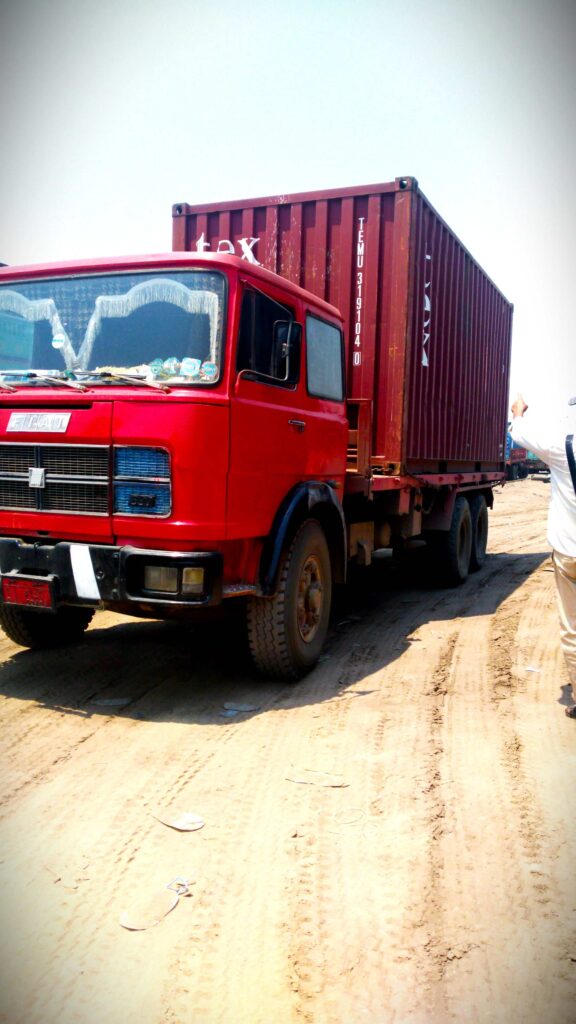
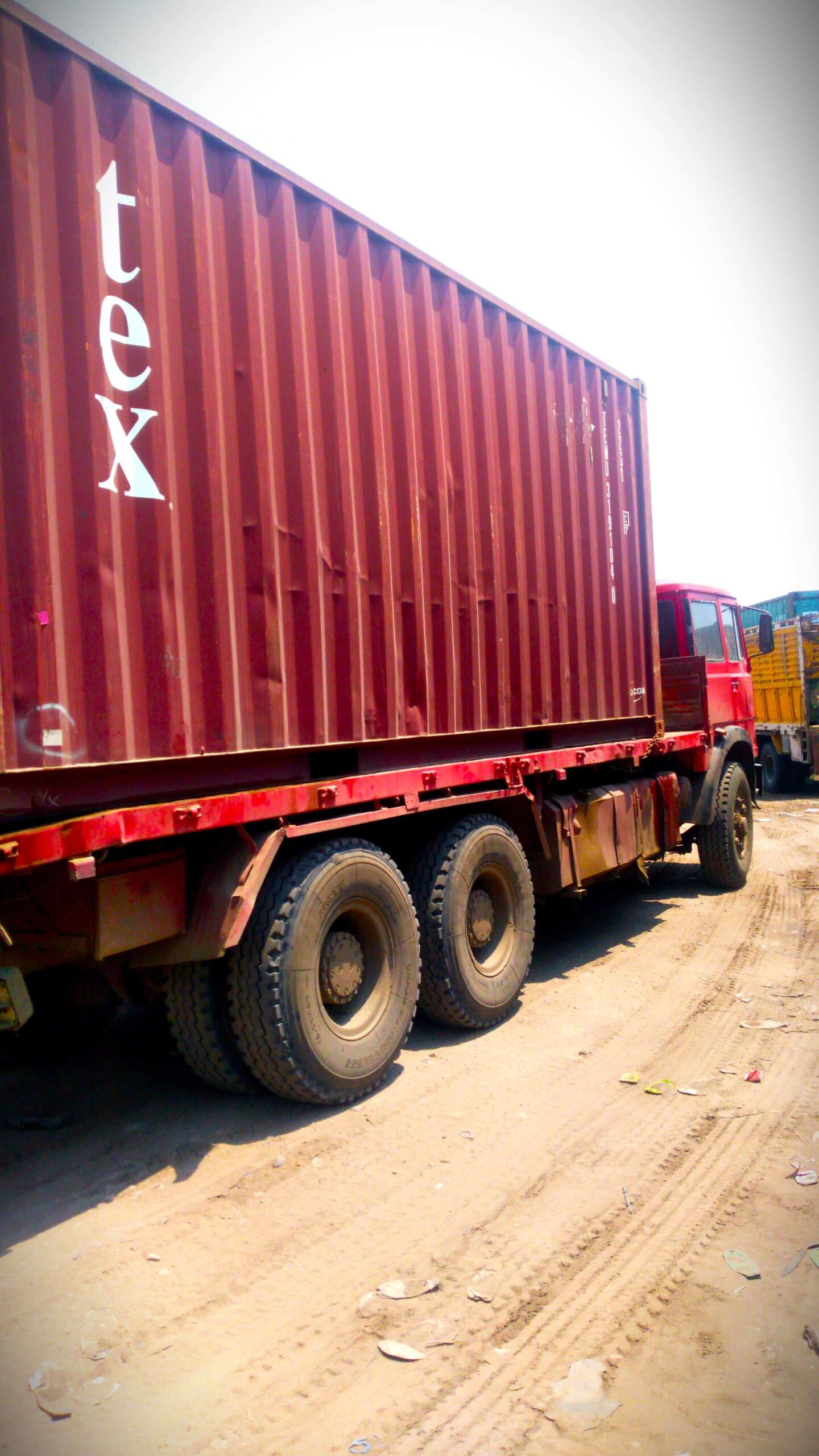
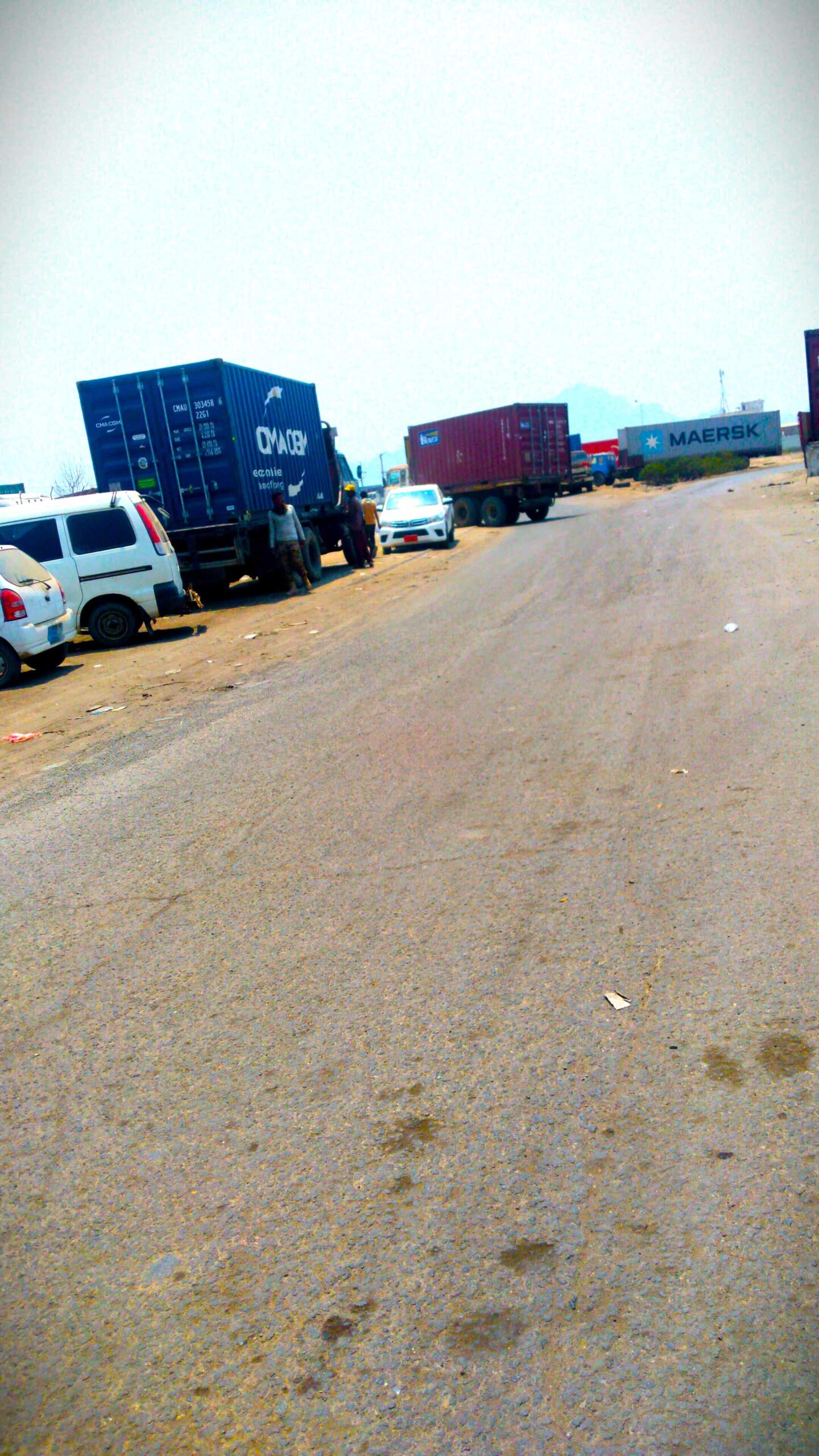
PACKAGING COFFEE BEANS FOR EXPORT
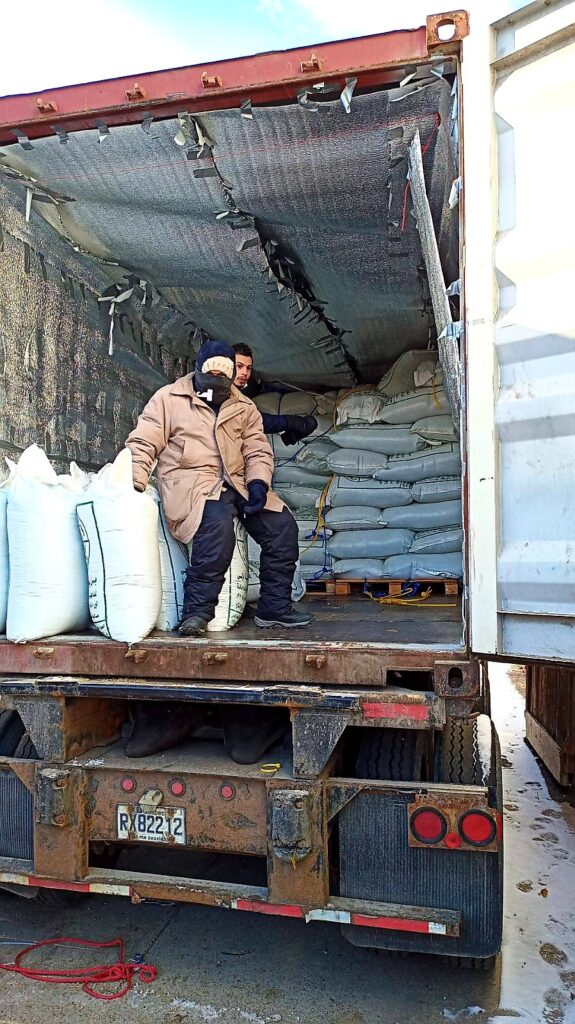
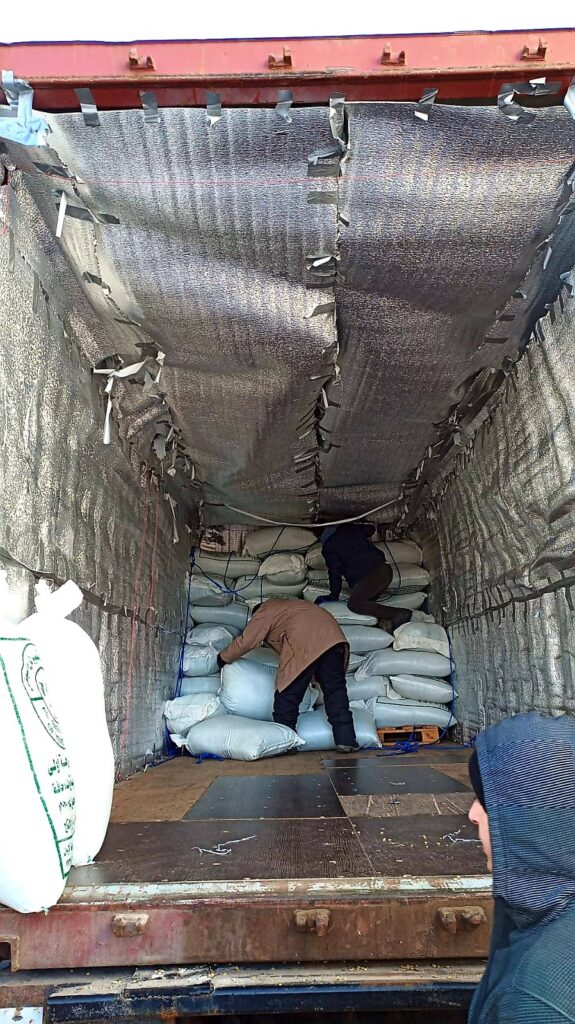
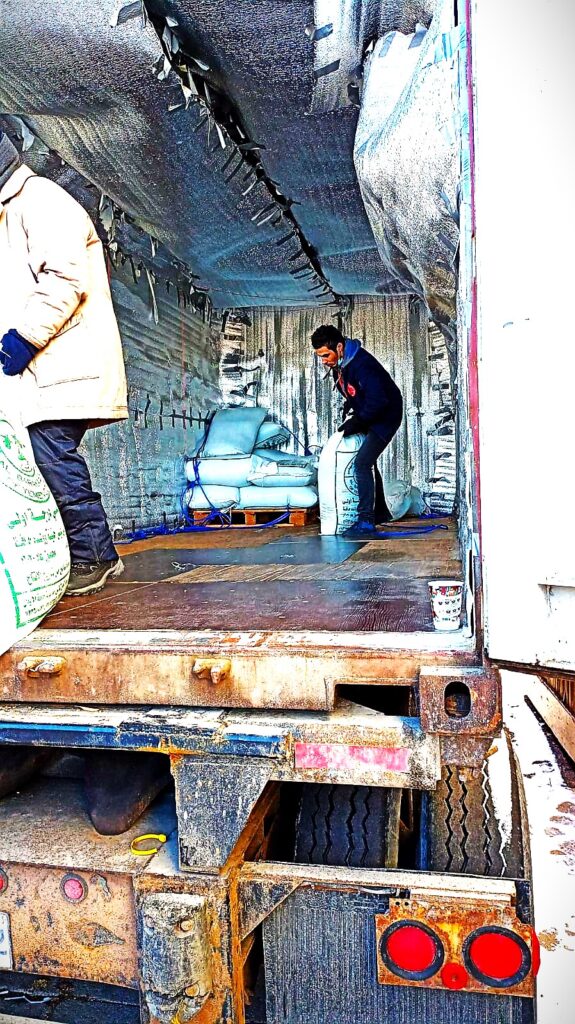
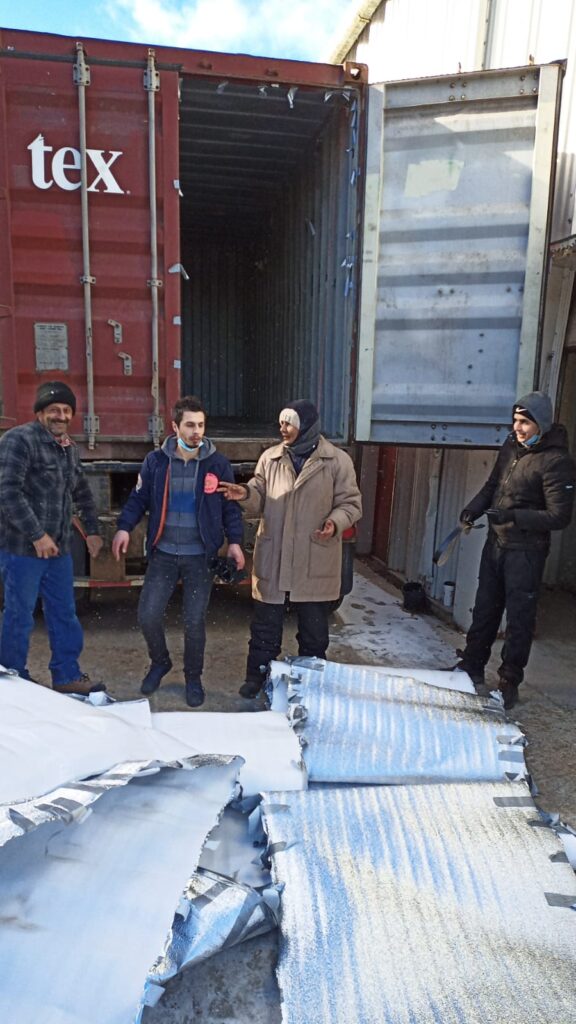
UNLOADING OUR COFFEE BEANS BAGS IN CANADA
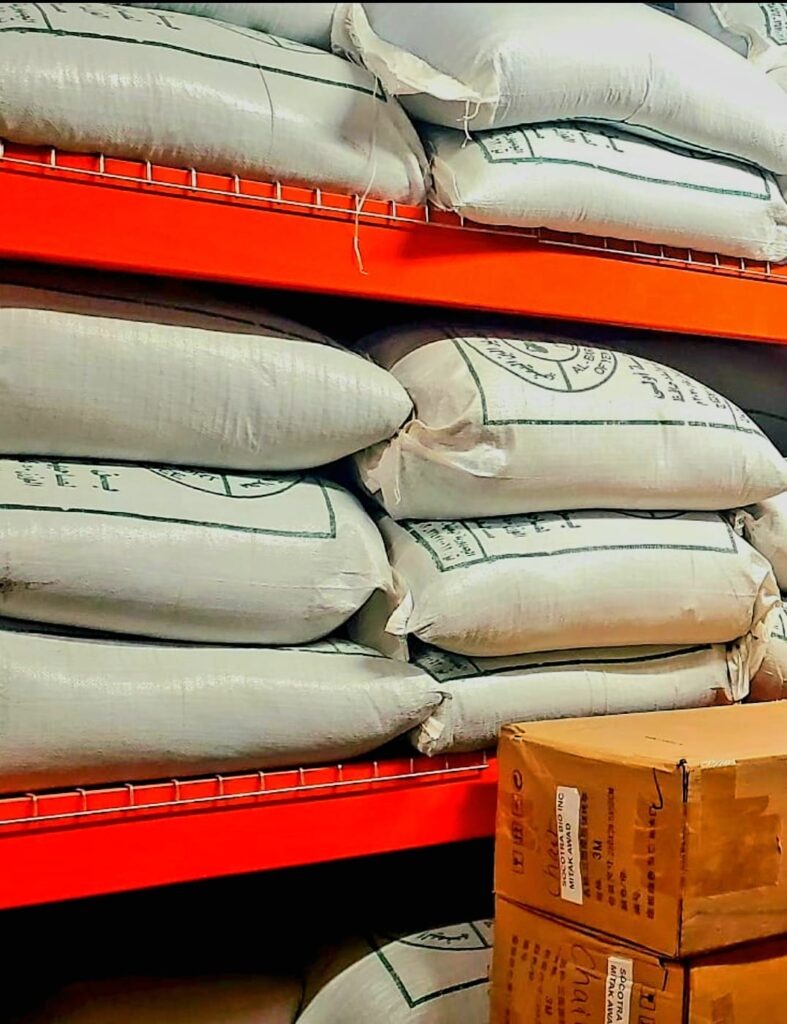
ROASTING AND PACKAGING OUR COFFEE BEANS IN OTTAWA
WHY SOME RESELLERS MIXING GOOD COFFEE AND BAD COFFEE TO SAVE MONEY?
Yemen has already lost much of its connection to the popular “Mocha” or “Mokha” term that identified Yemen’s unique coffees
that were mostly shipped from its port of Al- Mokha. Today a number of coffees call themselves Mocha and even some Yemeni
exporters contribute to the erosion of its reputation by blending its coffee with inferior imported coffees and exporting it as Yemeni.
We are the origin of “Mokha”, our trademark is “Mocha Monks”, and that is who we are. We provide real 100% Grade 2 organic
Mokha beans, not a cheap mix. Socotra Bio Inc.’s concept in coffee export is to ship the coffee from “Mokha”, “Hodeida”, or “Aden
Port “with only pure Yemeni coffee beans. We get very aggressive when we see some farmers mixing their product with cheaper
inferior beans to boost their quantities, because this is cheating the customers. And if the farmers don’t do it, often the brokers or
resellers will, this is why Socotra Bio Inc. trusts only her farms and our own trees: it’s why we proudly say “from our trees to your
cup”. We monitor our product from cherry to cup, and at every stage in between. There are some of our trees that are more than
150 years old – that’s how long we have been in this business. This is why we unquestionably have the best coffee beans at better
prices when compared with your average wholesaler. Our farmers are very hard workers. Socotra Bio Inc. wants to make Yemeni
coffee more suitable for local and international markets, and our coffee farmers follow certified organic practices and use no
synthetic fertilizers